LADS Minor

Latin American Development Studies Minor

Latin America provides one of the most dynamic and revealing regions in which to study development. From democratic transitions and social movements to environmental crises and innovative policy reforms, the region offers powerful lessons about resilience, inequality, and institutional change.

In this minor, students develop analytical tools to move beyond description and toward explanation. They engage complex questions about power, policy, geography, and justice while becoming part of a community dedicated to thoughtful scholarship and meaningful impact.
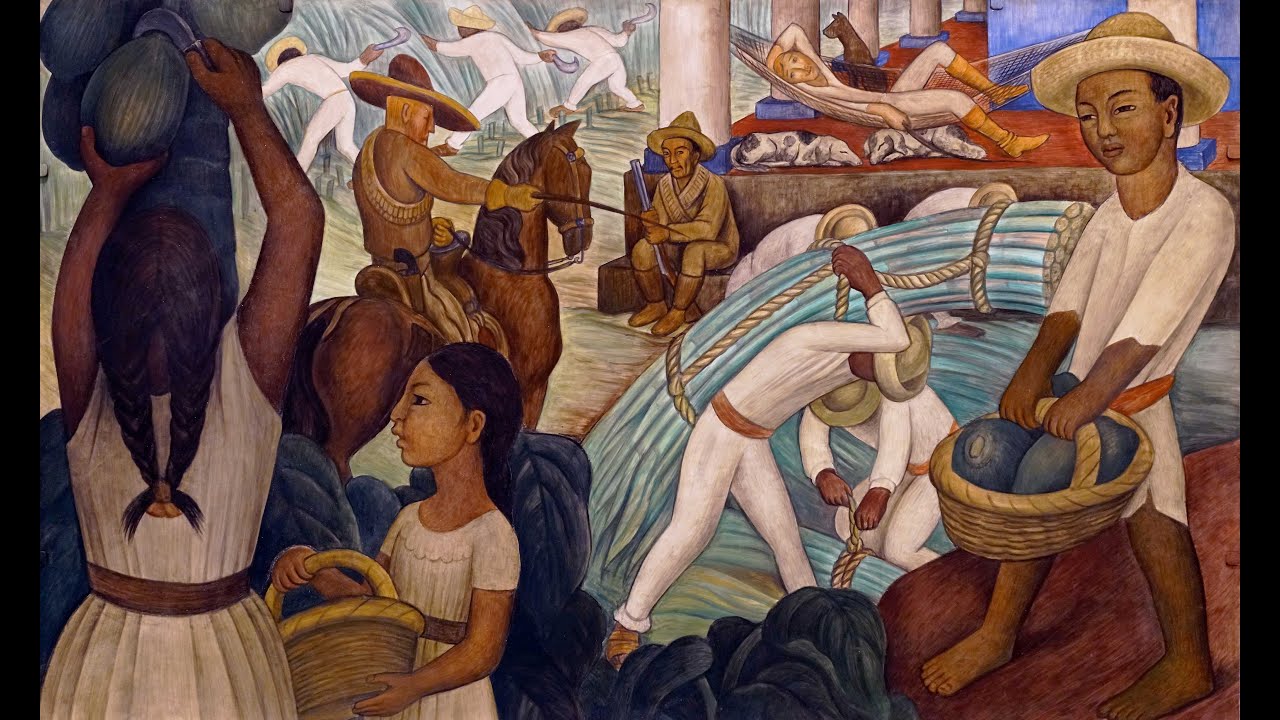
Sugar Cane, Diego Rivera, 1931

Why Choose This Minor?

At Trinity, we prepare students to become ethical leaders and agents of change. This minor will help you:

  • Analyze structural inequality and poverty
  • Understand migration and transnational connections
  • Evaluate development models and public policy
  • Explore environmental sustainability and climate challenges
  • Engage issues of gender, race, and indigenous rights

You will gain strong comparative research skills that are applicable not only to Latin America but to global development contexts more broadly.

Curriculum Overview

Required Core Courses

Plus four elective courses from different disciplines

Students customize the minor by choosing four elective courses from several disciplines. Options in History explore colonial legacies, migration, race, and political change in Latin America. Courses in Global Affairs, Public Policy, and Economics examine development theory, governance, globalization, inequality, and structural reform.

Spanish and language courses strengthen cultural competency, while literature, art, and humanities courses deepen understanding of identity, culture, and representation.

Many electives also fulfill Trinity General Studies requirements, allowing students to advance multiple academic goals while preparing for ethical leadership and meaningful engagement with development challenges in Latin America.

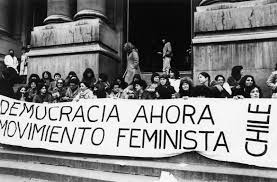
Pro-democracy feminist demonstration
Pro-democracy feminist demonstration which commemorated victims of the dictatorship, 1983
Photo: Kena Lorenzini. Biblioteca Nacional de Chile

Career Pathways

Graduates of the minor are well prepared for careers and graduate study in:

  • International development organizations
  • Public policy and government service
  • Migration and refugee services
  • Nonprofit and humanitarian sectors
  • Human rights advocacy
  • Law, public policy, global affairs, or development studies programs
  • Community organizing and grassroots advocacy focused on equity, immigration, environmental justice, and social services

Explore Development, Justice, and Social Change in Latin America

Rooted in Trinity’s commitment to social justice, ethical leadership, and global engagement, this minor challenges students to critically examine inequality, migration, democratization, sustainability, indigenous rights, gender dynamics, urbanization, and economic transformation. Students learn not only to understand development challenges, but to ask why countries facing similar structural problems produce different outcomes and what that means for policy, equity, and human dignity.

Presencia de América Latina, Jorge González Camarena
Jorge González Camarena, Presencia de América Latina, 1964–65, acrylic, 35.2 x 6 m (Universidad de Concepción, Chile; photo: Farisori, CC BY-SA 3.0)

Is This Minor Right for Me?

The Latin American Development Studies minor is designed to complement a wide range of majors. It helps students deepen their understanding of Latin America while strengthening the cultural knowledge, analytical skills, and global perspective that are valuable in many professions. Whether you are interested in health, education, business, communication, public service, or social research, the minor can broaden your academic preparation and professional opportunities.

Explore how the minor connects with your field of study:

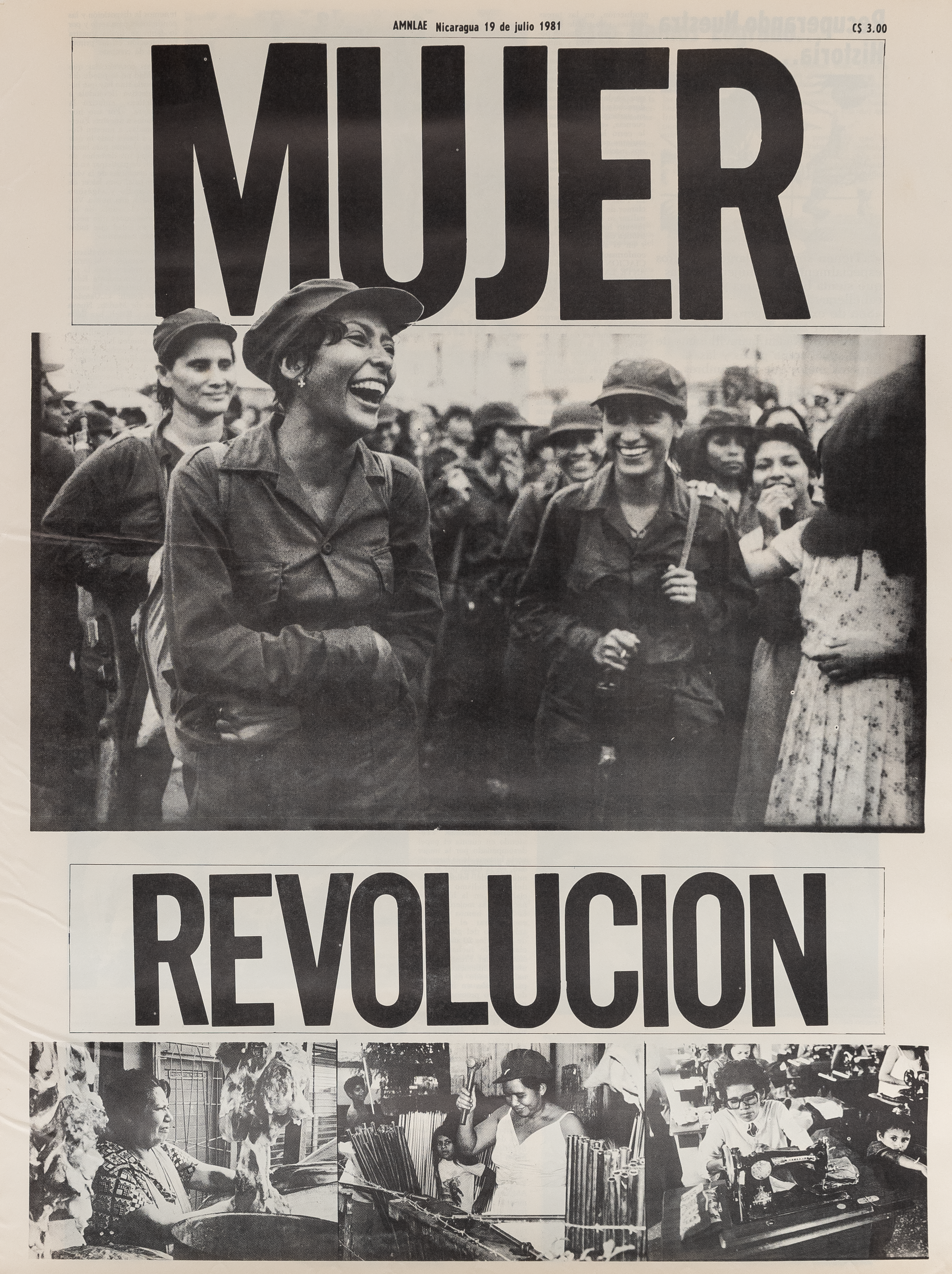
Mujer Revolución Nicaragua
Photographs by Margaret Randall and others (American, c. 1936). Published by Taller de Gráfica Experimental Nicaragua (founded 1980) for Asociación de Mujeres Nicaragüenses Luisa Amanda Espinoza (AMNLAE). Mujer Revolución, 19 July, 1981. Offset lithograph newspaper. Gift of John Ryder.

Get in Touch

Latin America continues to shape global debates about democracy, inequality, sustainability, and human rights. The Minor in Latin American Development Studies invites you to engage these debates with rigor, compassion, and intellectual curiosity.

For advising information, course planning, or program details, please contact the Program Director.